Overcoming Stigma and Cultural Barriers for Rural Youth
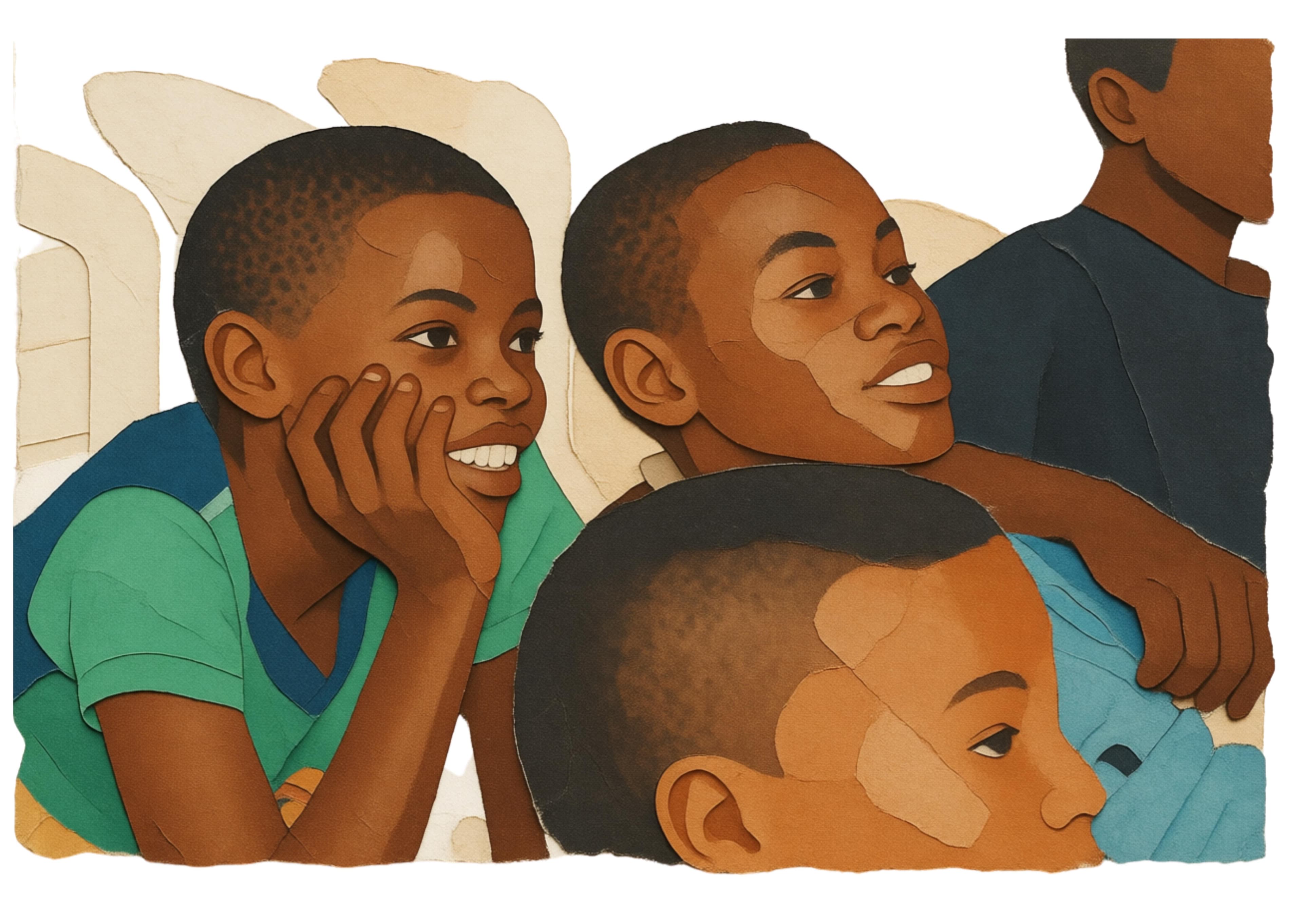
Globally, millions of young people in rural areas experience both a sense of pride in their heritage and a largely unaddressed crisis of neglect.
Urban centres frequently receive a disproportionate share of resources and social amenities, which limits the opportunities available to rural youth. The primary challenges include geographic distance, inadequate infrastructure, and a pervasive culture of silence. Stigma, rigid cultural taboos, and traditional expectations establish significant barriers. These obstacles often prevent young people from discussing economic hardship, mental health concerns, gender-based restrictions, or exploitation.
Addressing this culture of silence constitutes an urgent human rights imperative.
The Weight of Unwritten Rules
A strict set of unwritten community norms lies at the core of this issue. In many rural areas, seeking assistance, questioning authority, or discussing personal challenges is perceived as a sign of weakness or as disrespectful to the family name.
- Young women often face intense patriarchal expectations that discourage them from pursuing higher education or seeking financial independence.
- Conversely, young men are often socialised to suppress their emotions and avoid displaying vulnerability, which results in unaddressed emotional distress.
When cultural beliefs attribute poverty, illness, or marginalisation to so-called "family failings" rather than broader systemic factors, young people internalise this stigma and bear these burdens in isolation.
Making Human Rights a Reality, Not a Promise
A significant gap in legal awareness exacerbates social isolation. Although constitutions and international agreements guarantee rights to education, bodily autonomy, fair labour practices, and equal opportunity, these assurances seldom extend to rural communities.
In the absence of accessible legal aid, approachable local advocates, or community justice centres, violations of youth rights often remain unaddressed. Bridging this gap requires translating legal rights into practical realities. This can be achieved through mobile legal clinics, community-led rights programs, and the integration of human rights education within rural classrooms.
Transforming Communities from the Inside Out
Eliminating these barriers necessitates transforming local environments from those that enforce strict traditions into robust support networks. Sustainable change must originate within the community.
Shifting community attitudes requires engaging key gatekeepers, such as village elders, faith leaders, and local women's associations. Providing these influential cultural custodians with appropriate resources and evidence enables them to become effective advocates for youth rights. They can facilitate a transition in the local narrative from defensive preservation to progressive empowerment.
Additionally, the establishment of peer-led youth hubs, accessible counselling services, and local mentorship programs provides vulnerable youth with the psychological safety necessary to share their experiences and organise for improved futures.
A Call for True Investment
Protecting rural youth from generational poverty requires a coordinated approach, including legal enforcement, cultural transformation, and inclusive economic investment.
Governments, civil society organisations, and the private sector must advance beyond superficial outreach. Sustained investments in rural digital connectivity, vocational training, and community protection systems are essential.
Dismantling the stigma that silences rural youth and replacing it with robust legal protections and supportive local networks is essential for safeguarding vulnerable individuals. Such measures catalyse sustainable rural transformation.